
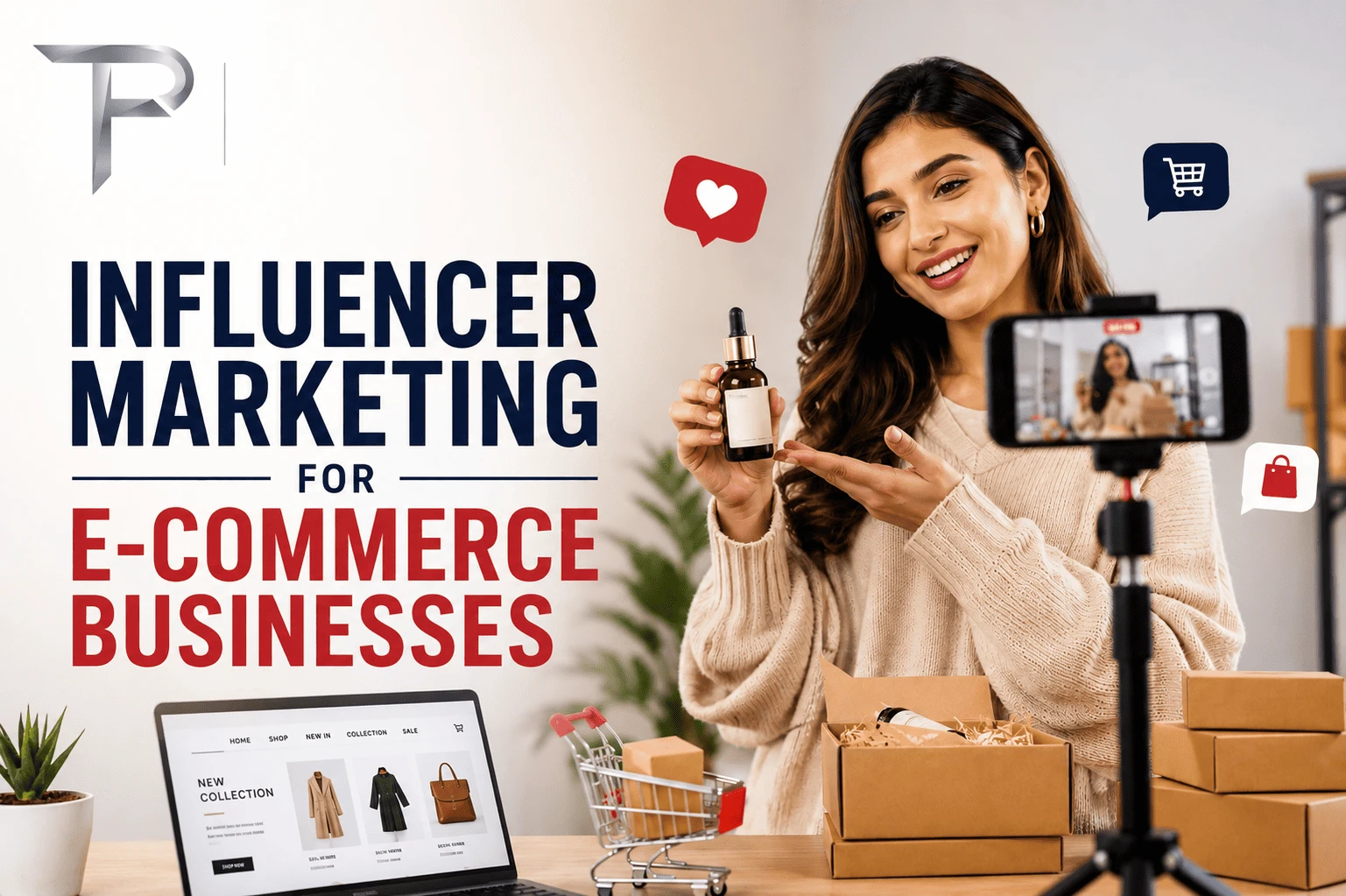
E-commerce has changed the way people discover, compare and buy products. A customer may see a product on Instagram, watch a creator demonstrate it, check reviews and finally visit an online store to make the purchase, all within a few minutes.
This is where influencer marketing for e-commerce businesses can make a real difference. Instead of relying only on traditional advertising, brands can work with creators who already have the attention and trust of a relevant audience.
Social commerce continues to grow as consumers increasingly discover products through influencers, peers and user-generated content. A 2026 Capgemini consumer trends report found that 35% of surveyed consumers had purchased a product through a social media platform in 2025.
For e-commerce brands, the opportunity is not simply to get more views. It is to turn creator recommendations into genuine product interest, website visits and, ultimately, purchases.
What Is Influencer Marketing for E-commerce?
Influencer marketing for e-commerce is the practice of partnering with social media creators to promote products directly to potential customers.
Creators can introduce a product through:
- Instagram Reels and Stories
- YouTube videos and Shorts
- Product reviews and demonstrations
- Unboxing content
- Styling or usage videos
- Tutorials and how-to content
- User-generated-style content
- Creator discount codes
- Affiliate or commission-based campaigns
The strength of this approach lies in context. A skincare creator can show how a product fits into a routine. A fashion creator can demonstrate how an outfit looks in real life. A food creator can show the product being used.
Instead of simply telling people that a product is good, creators can help them see how the product fits into their lives.
Why Should E-commerce Brands Invest in Influencer Marketing?
1. It Builds Product Trust
Online shoppers cannot physically touch, try or examine most products before purchasing them. This creates uncertainty.
A relevant creator can reduce that hesitation by showing the product from a real user’s perspective. Authentic demonstrations, honest opinions and practical use cases can make a product feel more familiar.
Recent research also highlights trustworthiness and information quality as important factors influencing online purchase intentions from influencer content.
2. It Reaches the Right Audience
Having a large audience does not automatically mean having the right audience.
For example, an e-commerce fashion brand may benefit more from a creator with 30,000 highly relevant fashion followers than a general creator with 500,000 followers.
The right creator should match your:
- Target audience
- Product category
- Brand personality
- Location
- Content style
- Campaign objective
This is why creator selection should be based on relevance, not follower count alone.
3. It Creates Content People Actually Want to Watch
Good influencer campaigns do more than promote products. They create useful or entertaining content around them.
A creator might show:
Problem → Product → Experience → Result
For example, instead of saying, “Buy this skincare product,” a creator can explain a common skincare concern, demonstrate how the product is used and share their experience.
This makes promotional content feel more natural while giving the audience a reason to pay attention.
4. It Supports Product Discovery
Many consumers discover new brands while scrolling through social media.
For an e-commerce business, influencer content can put a product in front of people who may not have discovered the brand through Google or traditional advertising.
This is particularly useful for:
- New product launches
- D2C brands
- Fashion labels
- Beauty and skincare products
- Lifestyle products
- Food and beverage brands
- Consumer electronics
- Home and décor products
How to Create an Influencer Marketing Strategy for E-commerce
A successful campaign should start with a clear plan rather than simply approaching popular creators.
Step 1: Define the Campaign Goal
Start by asking what you want the campaign to achieve.
Is the goal to:
- Launch a new product?
- Generate sales?
- Increase website traffic?
- Build brand awareness?
- Collect user-generated content?
- Reach a new customer segment?
- Improve product credibility?
Your goal determines the type of creators, content and campaign structure you need.
Step 2: Identify Your Ideal Customer
Understand who you want to reach.
Consider their age, interests, location, purchasing behaviour and the type of content they consume.
The more clearly you define your customer, the easier it becomes to identify creators who already influence that audience.
Step 3: Choose the Right Influencers
Don’t choose influencers simply because their follower count looks impressive.
Look at:
- Audience relevance
- Engagement quality
- Previous brand collaborations
- Content quality
- Audience location
- Consistency
- Creator credibility
- Comments and community interaction
Micro and nano creators can also be valuable for e-commerce campaigns because their smaller communities can often be highly focused and engaged. Current influencer marketing trends increasingly place emphasis on authenticity, niche relevance and meaningful engagement rather than follower numbers alone.
Step 4: Give Creators Creative Direction
Creators understand their audiences better than most brands do.
Give them the essential information – product benefits, key messages, campaign guidelines and things to avoid, but allow room for their own creative style.
Overly scripted content can feel like an advertisement. Natural creator-led storytelling can feel much more relatable.
Step 5: Build a Content Mix
Don’t depend on one post from one influencer.
A stronger campaign can include a combination of:
- Product introduction videos
- Tutorials
- Reviews
- Reels
- Stories
- Unboxing videos
- Testimonials
- UGC-style videos
- Creator discount codes
This gives consumers multiple opportunities to discover and understand the product.
What Makes Influencer Campaigns Convert for E-commerce?
Visibility is important, but visibility alone does not guarantee sales.
The campaign should make the buying journey simple.
1. Make the Product Benefit Clear
Consumers should quickly understand why the product matters to them.
2. Show the Product in Use
Demonstrations can answer questions that product photographs may not.
3. Include a Clear Next Step
Tell customers what to do next – visit the website, explore a collection, use a creator code or check the product page.
4. Use Social Proof
Reviews, testimonials and creator experiences can help reduce purchase hesitation.
5. Retarget Interested Audiences
People who interact with influencer content may not purchase immediately. Brands can use their wider digital marketing strategy to reconnect with people who have already shown interest.
How Should E-commerce Brands Measure Influencer Marketing?
The right metrics depend on the campaign objective.
For awareness campaigns, brands may monitor:
- Reach
- Impressions
- Video views
- Engagement
- Audience growth
For performance-focused campaigns, look at:
- Website visits
- Product-page visits
- Discount-code usage
- Affiliate sales
- Leads
- Conversions
- Revenue generated
Don’t judge a campaign only by likes.
A creator may generate fewer likes but bring highly relevant customers who actually visit the website and purchase. Measuring results against the original campaign objective gives a much clearer picture.
Common Influencer Marketing Mistakes E-commerce Brands Should Avoid
Choosing Influencers Only by Follower Count
Large audiences do not automatically mean better results.
Focusing Only on One-Off Promotions
Repeated partnerships can help creators become more familiar with a brand, making their recommendations feel more natural over time.
Giving Creators Too Much or Too Little Freedom
Creators need clear brand direction, but they also need creative freedom.
Ignoring Audience Quality
Check where the creator’s audience is located and whether it matches your target customer.
Expecting Instant Sales
Influencer marketing can support different stages of the customer journey, from discovery and consideration to purchase. Not every campaign should be judged solely by immediate conversions.
How That PR Firm Helps E-commerce Brands
Managing an influencer campaign involves much more than finding a creator and sending a product.
That PR Firm helps brands approach influencer marketing strategically from campaign planning and influencer selection to coordination, content execution and campaign management.
As an influencer marketing agency in Mumbai, our focus is on connecting brands with relevant creators and building campaigns around meaningful business objectives.
Our influencer marketing services can help e-commerce businesses develop creator campaigns designed around awareness, engagement, product launches and conversions.
The right campaign should not feel like a collection of random influencer posts. It should feel like one connected brand story told through creators who have a genuine reason to recommend the product.
Final Thoughts
Influencer marketing can be a powerful growth channel for e-commerce brands when it is approached strategically.
The biggest opportunity is not simply getting influencers to talk about your products. It is finding the right creators, reaching the right audience and creating content that helps people understand why your product is worth considering.
From product discovery to purchase decisions, creators can play an important role in today’s social commerce journey.
If your e-commerce brand is planning a product launch, looking for new customers or wants to build stronger visibility online, working with the right influencer marketing partner can help turn creator content into a more structured growth strategy.
Ready to Build an Influencer Campaign for Your E-commerce Brand?
Talk to That PR Firm about your campaign goals, target audience and product. Our team can help you plan and manage an influencer marketing campaign tailored to your brand.
Get in touch with That PR Firm today to discuss your influencer marketing campaign.
Frequently Asked Questions
1. What is influencer marketing for e-commerce businesses?
Influencer marketing for e-commerce involves partnering with relevant creators to showcase products through reviews, demonstrations, tutorials or lifestyle content. The goal is to increase product awareness, build trust and encourage customers to visit the online store.
2. Does influencer marketing increase e-commerce sales?
Yes, influencer marketing can support e-commerce sales by improving product discovery, trust and purchase consideration. Results depend on creator relevance, content quality, campaign objectives, audience fit and how effectively interested customers are guided toward purchase.
3. Which influencers are best for e-commerce brands?
The best influencers are not necessarily those with the largest audiences. E-commerce brands should prioritize creators whose audience, content style, location, interests and credibility closely match their target customers and product category.
4. Are micro-influencers effective for e-commerce brands?
Yes. Micro-influencers can be effective because they often serve focused communities around specific interests or categories. Their relevance and audience connection can make them useful for product recommendations, niche campaigns and targeted e-commerce promotions.
5. How much does influencer marketing cost for an e-commerce brand?
Influencer marketing costs vary based on the creator, platform, audience size, content requirements, campaign duration and usage rights. A campaign can be structured around fixed fees, product exchanges, commissions or a combination of these.
6. How can an e-commerce brand measure influencer marketing results?
Brands can measure campaigns using metrics such as reach, engagement, website traffic, product-page visits, discount-code usage, affiliate sales, conversions and revenue. The most useful metrics should match the campaign’s original business objective.
7. Should e-commerce brands work with multiple influencers?
Working with multiple relevant creators can help brands reach different audience segments and create more content. However, quality and audience relevance should come before quantity. A focused group of suitable creators can be more effective than a large random list.
8. How can an influencer marketing agency help an e-commerce brand?
An influencer marketing agency can help with campaign strategy, creator discovery, influencer selection, communication, content coordination, campaign management and performance tracking, allowing brands to run campaigns more efficiently and consistently.