
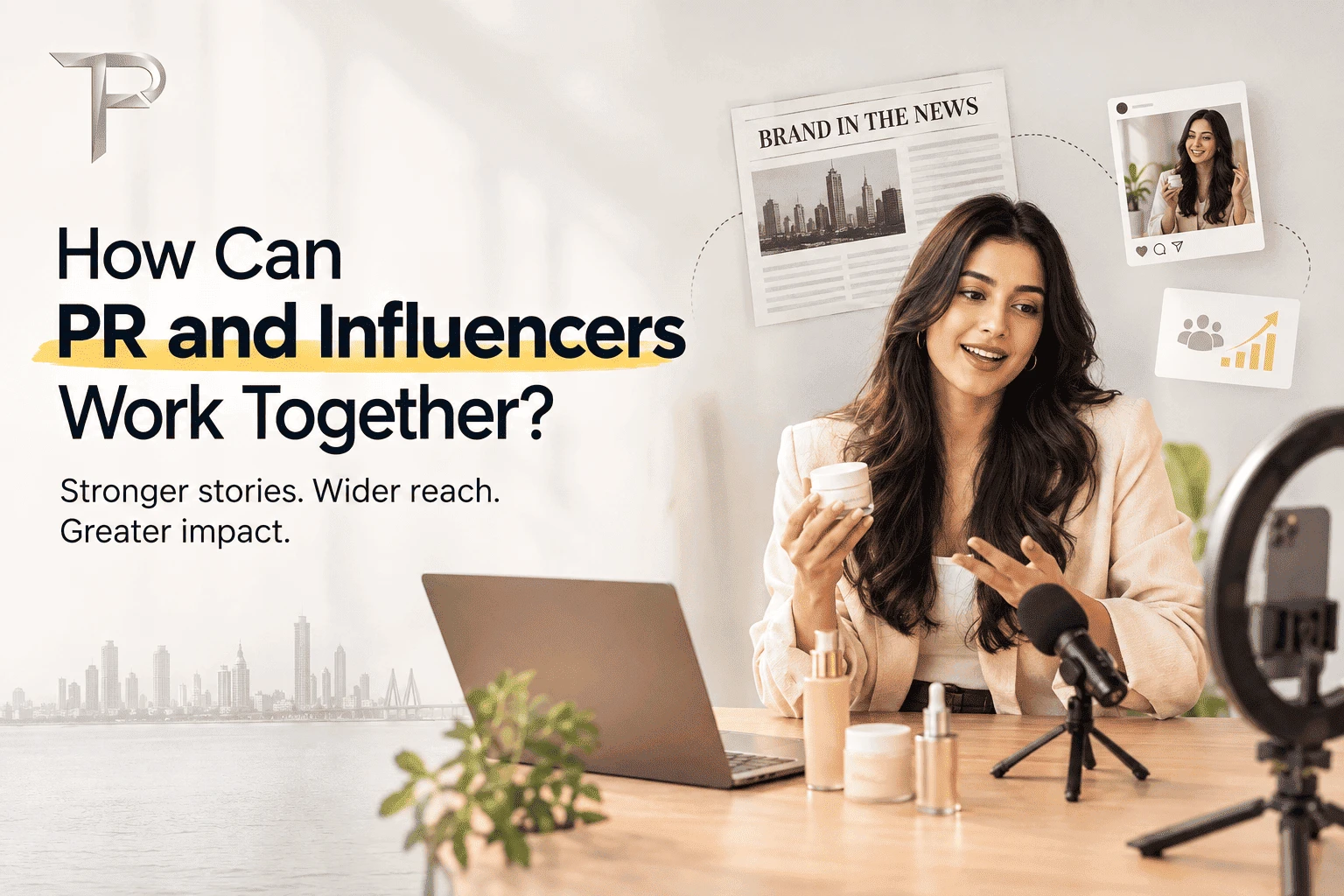
Brands today have more ways than ever to reach their audiences. They can appear in news publications, collaborate with influencers, create social media content, run campaigns and build conversations around their products or services. But when these activities work separately, brands may miss an opportunity to create a stronger and more consistent presence.
This is where PR and influencer marketing can work together.
Public relations can help a brand earn credibility and attention through media coverage, stories and strategic communication. Influencers, meanwhile, can introduce that brand to engaged communities through content that feels personal and relatable.
When these two approaches are planned together, a brand can move beyond simply being seen. It can become part of conversations that people actually care about.
Why Should Brands Combine PR and Influencer Marketing?
PR and influencer marketing may use different channels, but they often work toward similar goals: visibility, credibility, awareness and audience trust.
A media feature can establish credibility around a company or founder, while an influencer can demonstrate the product in a way that feels more relatable. One builds authority; the other can create a personal connection with potential customers.
For example, imagine a new beauty brand entering the Mumbai market. PR activity could introduce the founder, brand story or product innovation to relevant publications. Influencers could then demonstrate the products, share their experiences and create conversations among their followers.
The result is not simply two separate campaigns. The brand receives multiple opportunities to be discovered and understood.
How PR and Influencers Can Support Each Other
1. PR Can Give Influencer Campaigns More Credibility
Influencer content can generate attention, but additional media exposure can give the campaign a broader context.
When a brand has been featured in relevant publications, interviews or industry stories, influencers can reference that credibility while creating their own content.
This can be particularly useful for newer brands that are still building recognition.
A PR team can also identify newsworthy angles around an influencer campaign, product launch or collaboration and pitch those stories to relevant media outlets.
2. Influencers Can Bring PR Stories to Life
Traditional media coverage tells an audience why something matters. Influencer content can show people what that story looks like in real life.
Suppose a fashion label launches a new collection. A PR campaign could focus on the brand’s design philosophy, founder story or collection launch. Selected creators can then style the collection, create videos or share their personal interpretation of the products.
This makes the campaign more visual and relatable.
Instead of communicating one message through one channel, the brand creates different entry points for its audience.
3. Both Can Strengthen Brand Trust
People don’t always make purchasing decisions after seeing an advertisement once. They often look for signals that a brand is genuine, established and worth considering.
Media coverage can provide third-party visibility, while influencers can provide social proof through their own content and experiences.
For this reason, brands planning creator campaigns should look beyond follower numbers. Audience relevance, engagement quality, content style, location and previous collaborations can all influence whether a creator is appropriate for the campaign.
Choosing the Right Influencers for a PR Campaign
Not every influencer is suitable for every PR campaign.
The right creator should have an audience that overlaps with the brand’s target customers. Their content should also fit naturally with the brand’s personality.
For example, a restaurant may benefit from food creators who regularly influence dining decisions in the relevant city. A fashion brand may need creators whose audience follows styling, fashion and lifestyle content.
A Mumbai-based brand working with an Influencer marketing agency in Mumbai can also benefit from local creator knowledge, campaign coordination and audience understanding.
The objective should not be to collect as many creators as possible. It should be to build a group of relevant voices who can communicate the brand story naturally.
Creating One Story Across Multiple Channels
One of the biggest advantages of combining PR and influencers is the ability to build a connected campaign.
The central brand story can remain consistent while the format changes according to the platform.
For example:
PR: Introduce the brand story through media outreach.
Influencers: Demonstrate the product through social content.
Social Media: Share campaign highlights, creator content and customer reactions.
Content: Publish interviews, behind-the-scenes stories or educational posts.
Media Follow-up: Use campaign developments as additional opportunities for coverage.
This approach helps prevent the campaign from feeling disconnected. Every activity contributes to the same larger brand narrative.
When Should PR and Influencer Activities Begin?
A common mistake is bringing influencers into a campaign only after the PR strategy has already been completed.
In many cases, both activities can be planned from the beginning.
Before the Campaign
Start by defining the campaign objective. Is the goal awareness, product discovery, launch visibility, audience engagement or sales?
Then identify the story that makes the campaign interesting.
During the Campaign
Coordinate media outreach, creator content and social communication so that audiences encounter the brand from different directions.
For instance, a creator could post about a product launch around the same period that media outlets begin publishing stories about the brand.
After the Campaign
Don’t stop communication once the first wave of content is published.
Look at the campaign’s strongest moments. A creator’s successful content, customer response, founder interview or notable media mention could create another story worth sharing.
This creates opportunities to extend the campaign rather than treating it as a one-time activity.
What Can PR Agencies and Influencers Create Together?
There are several ways agencies can connect these activities.
Product Launches
Influencers can introduce products through demonstrations, reviews, styling videos or experiences, while PR outreach builds wider awareness around the launch.
Founder Stories
A founder’s journey can become a strong PR story. Influencers can then bring a more personal perspective to the founder or brand.
Events
Creators can attend launches, store openings, experiences and brand events. Their content can extend the event beyond the people physically present.
Campaign Announcements
A major collaboration or campaign can receive media attention while influencers create social conversations around the announcement.
Brand Awareness Campaigns
For brands entering a new market, PR and creators can work together to introduce the company, explain its offering and reach relevant audiences.
Measuring More Than Likes and Media Mentions
A successful integrated campaign should not be judged by one number.
Brands can look at several indicators, including:
- Quality and relevance of media coverage
- Reach among the intended audience
- Engagement with influencer content
- Website visits
- Product enquiries
- Social media conversations
- Brand mentions
- Leads or sales where tracking is available
- Audience response and feedback
The right measurement depends on the campaign objective.
If the goal is awareness, reach and quality coverage may be important. If the goal is sales, enquiries, clicks and conversions may provide more useful information.
How an Agency Can Bring Everything Together
Managing PR and influencer activities separately can become difficult, especially when multiple creators, media contacts, content pieces and deadlines are involved.
An experienced agency can help connect the moving parts.
For brands exploring top pr agencies in Mumbai, the important consideration is whether the agency understands both traditional PR and the changing creator landscape.
At That PR Firm, campaigns can be planned around the brand’s objectives, audience and story rather than simply choosing activities because they are popular. From influencer selection and campaign management to media outreach and content, an integrated approach can help brands create a more consistent presence.
Common Mistakes to Avoid
Choosing Influencers Only by Follower Count
A large following doesn’t automatically mean the creator is right for your audience.
Treating PR and Influencers as Separate Campaigns
If both teams communicate completely different messages, the overall campaign can feel fragmented.
Ignoring the Brand Story
Content may receive attention, but a strong story gives people a reason to remember the brand.
Focusing Only on Immediate Sales
Some PR and influencer campaigns are designed to build awareness and trust before customers are ready to purchase.
Working Without a Clear Objective
Every campaign should have a defined purpose so the activities and measurement can support that goal.
The Future of Integrated Brand Communication
Consumers increasingly encounter brands across multiple touchpoints. They may discover a company through a media article, see a creator talking about it on Instagram and later visit its website before making a decision.
That means brands need communication that feels connected.
PR can create authority and earned visibility. Influencers can create personal connections and conversations. Social media can keep the story moving, while content can provide additional depth.
The opportunity lies in making these channels work together instead of treating each one as an isolated activity.
For brands looking to build stronger visibility, working with experienced pr companies in Mumbai can provide the strategic coordination needed to connect media relations, influencer campaigns and brand communication.
Final Thoughts
PR and influencers don’t have to compete for a brand’s marketing budget or attention. When planned strategically, they can complement each other.
PR can help establish credibility, while influencers can make the brand more relatable. Together, they can create a campaign that reaches audiences through multiple trusted touchpoints.
The key is having one clear story, choosing the right voices and coordinating every activity around the brand’s actual objective.
For brands looking to combine media visibility with creator-led communication, That PR Firm can help develop and manage an integrated approach tailored to the campaign.
Frequently Asked Questions
1. Can PR and influencer marketing be used in the same campaign?
Yes. PR and influencer marketing can work together by combining media coverage with creator content. PR can build credibility and awareness, while influencers can make the brand message more personal, visual and relatable for targeted audiences.
2. How do influencers help a PR campaign?
Influencers can extend a PR campaign by introducing its message to engaged communities. They can create product demonstrations, event content, reviews, interviews or storytelling that helps audiences understand the brand from a more personal perspective.
3. Should brands choose influencers based on follower count?
No. Follower count is only one consideration. Brands should also examine audience relevance, engagement quality, location, content style, interests and previous collaborations to determine whether an influencer is suitable for the campaign.
4. What types of brands can combine PR and influencers?
Almost any consumer-facing brand can explore the approach, including fashion, beauty, food, healthcare, finance, lifestyle and e-commerce businesses. The strategy should be adapted to the audience, industry regulations, campaign objectives and communication needs.
5. How can brands measure an integrated PR and influencer campaign?
Brands can measure performance using indicators such as relevant media coverage, audience reach, engagement, website visits, enquiries, brand mentions, leads and sales. The most useful metrics depend on whether the campaign focuses on awareness, consideration or conversions.